How a $55 Billion Buyout Killed BioWare: The Arithmetic Behind the Shutdown
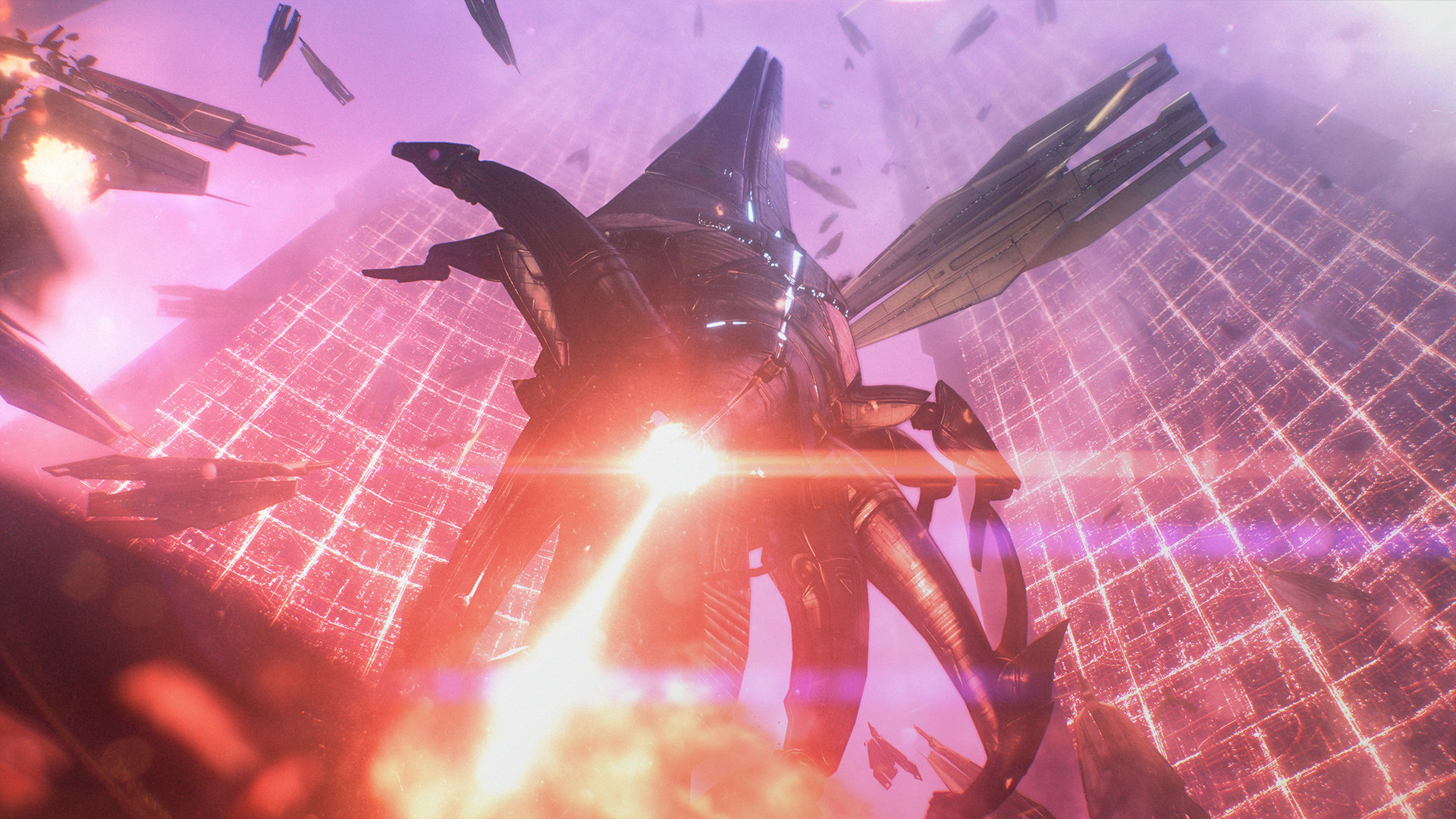
On Wednesday, October 21, 2026, Electronic Arts closed BioWare. The announcement came in a company letter titled "Building EA's Next Chapter," signed by chief studios officer Cam Weber and chief operating officer David Tinson, and published on EA's own news site. BioWare posted its own farewell the same day: "Now, after more than three decades of shared adventures, BioWare is closing and early development on the next Mass Effect project is ending." EA is cutting around 400 jobs across the company, roughly 3% of its workforce, with about 50 of those at BioWare, according to Bloomberg's reporting. The studio's Edmonton workspace closes with it.
If you are wondering how a studio that defined the modern RPG gets erased in a single memo, you are asking the wrong question. The right question is: what costs $1.8 billion a year in interest payments?
Thirty-one years in six games
BioWare was founded in Edmonton in 1995 by three doctors, Ray Muzyka, Greg Zeschuk and Augustine Yip, who moonlighted as game developers. That sentence alone should be a documentary. Their studio went on to make Baldur's Gate (1998), Neverwinter Nights (2002), Star Wars: Knights of the Old Republic (2003), Mass Effect (2007), Dragon Age: Origins (2009) and Dragon Age: Inquisition (2014), a Game of the Year winner. EA acquired BioWare in 2007, and for nearly two decades inside the biggest publisher on the planet, the studio kept making story-driven RPGs that taught a generation what player choice could mean.
The farewell statement named the whole run: Baldur's Gate, Neverwinter Nights, KOTOR, Dragon Age, Mass Effect, and Anthem. Nineteen years inside EA. Two months after EA went private, the studio is gone.
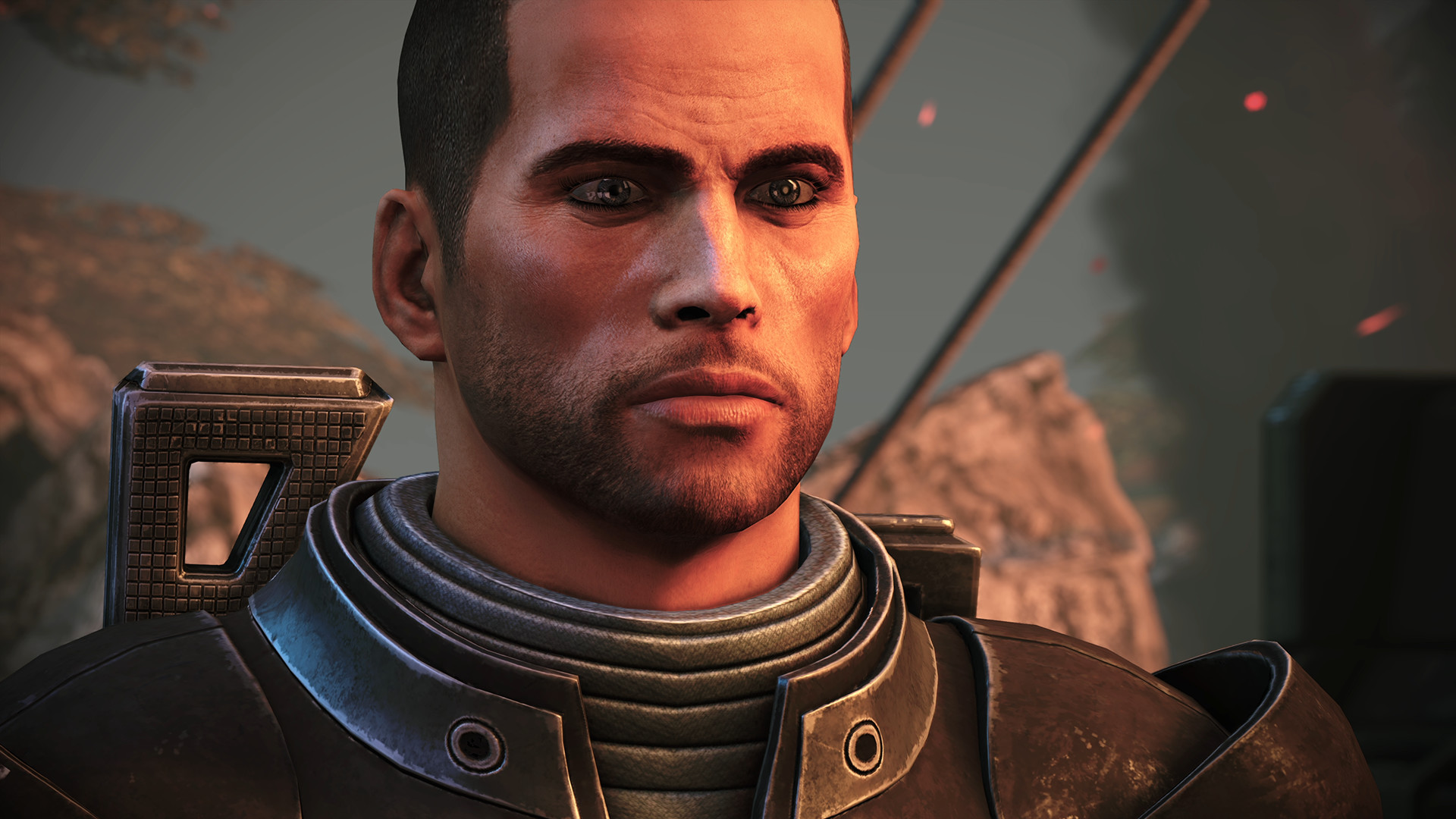
This is not a flop story. It is a spreadsheet story.
The convenient narrative is that Dragon Age: The Veilguard failed and BioWare paid for it. That is not what happened, or at least not all of it. The Veilguard, released in October 2024, reviewed well but missed EA's sales targets. EA downsized BioWare in 2025 and restructured the studio to work on one game at a time. That hurt. But a studio does not get closed over one underperforming game after 31 years.
Here is the math that matters. On August 4, 2026, a consortium of Saudi Arabia's Public Investment Fund, Silver Lake and Affinity Partners completed its purchase of EA for about $55 billion and took the publisher private. The deal loaded EA with roughly $18 billion in debt. The reported cost of servicing that debt: on the order of $1.8 billion a year in interest payments alone.
Now put the next Mass Effect next to that number. The project was announced in 2020, got a handful of teasers, and, according to industry reporter Jason Schreier, was still in early development with only about 50 people on it. Fifty people, six years in, with a release that could not have been closer than the end of the decade. In a company paying $1.8 billion a year in interest, a 50-person early-development team on a project that will not ship for years is not a project. It is a line item. And the line item lost.
The memo said the quiet part plainly: "We've made the decision not to move forward with this development, which means we're closing the studio and our Edmonton workspace." It also offered the official framing: "Players have more choices than ever for their time and attention, competition is intensifying, and some of our biggest opportunities for growth are beyond the markets, platforms, and business models where EA has traditionally been the strongest." Translation: only sure things survive now.
Where the money goes instead
The same memo laid out exactly what EA's portfolio looks like now. Read it as a map of what a debt-loaded publisher considers safe:
- Shooters: more Battlefield (the memo called Battlefield 6 "a great success"), a Respawn and DICE collaboration on a future project (Variety reports it is a new Star Wars Battlefront; EA has not confirmed a title), and heavy continued investment in Apex Legends with new multiplayer modes.
- Action-adventure: Marvel's Iron Man and the next Star Wars Jedi game are still coming. After those, EA says it will run fewer large-scale projects at once. That is the category BioWare died in.
- EA Sports: "Project Gridiron," a social-first open-world American football game, plus a Fight Night revival in pre-production.
- Lifestyle: The Sims gets "Project Evergreen" as the priority; "Project Lotus," an unannounced Sims project, is being ended or paused (reports differ on which).
- skate.: continues with a smaller, more focused team.
Notice what is not on the list: any original single-player RPG that takes six years to make. The portfolio is live service, sports, licensed IP and proven franchises. Every item on it can be modeled in a spreadsheet. A story about ancient space magic cannot.
What survives
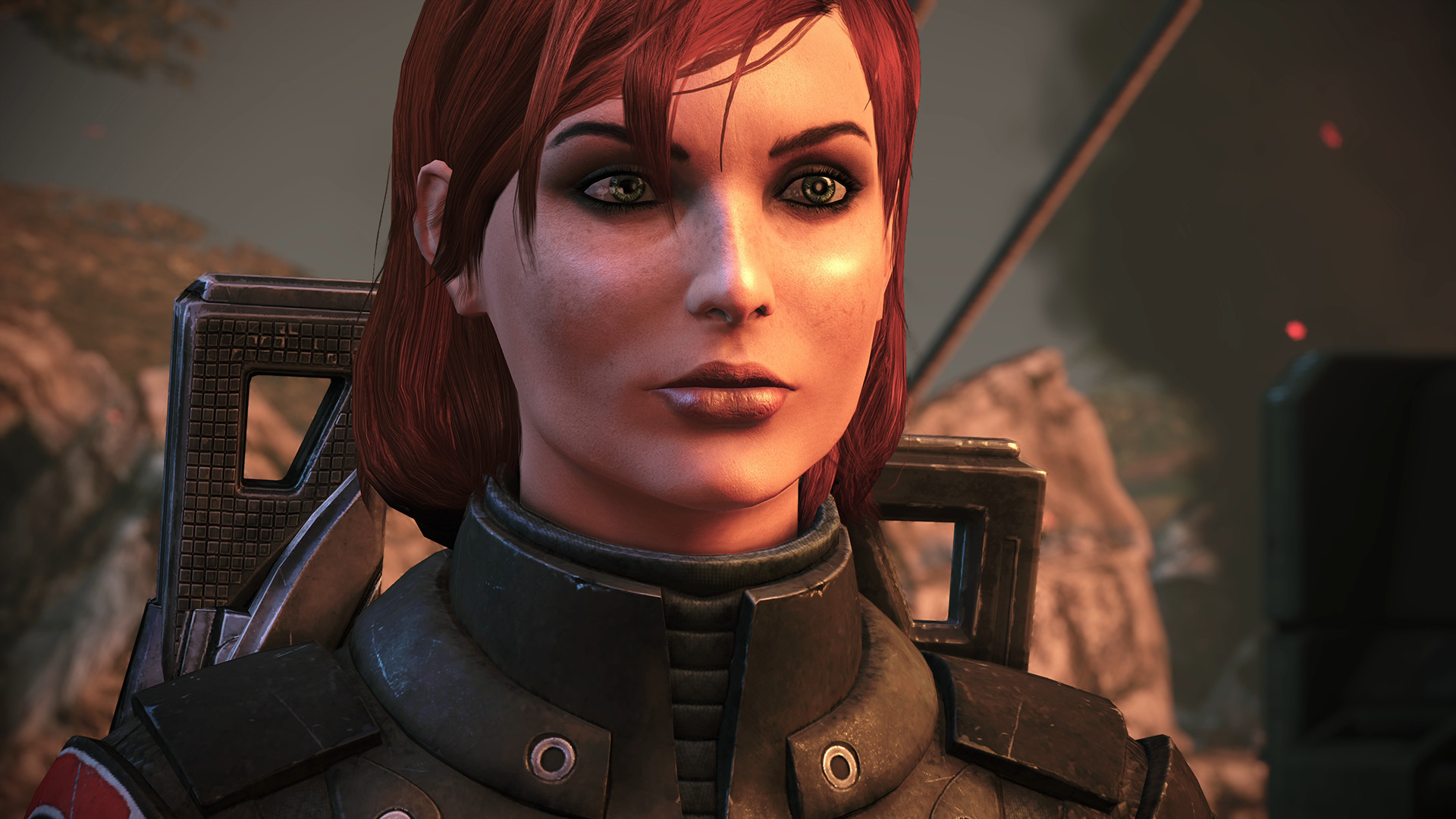
The Mass Effect and Dragon Age names stay with EA. The company has given no indication the projects move to another studio, and no word on what happens to support for the existing games, including The Veilguard and Star Wars: The Old Republic. EA says affected employees will be helped to find other roles inside the company, with more discussion at a Global Town Hall in November.
One thing that does survive, oddly, is the Mass Effect TV series. IGN reports, citing sources inside Prime Video, that the live-action adaptation remains in development at Amazon MGM Studios, with showrunner Doug Jung, writer Daniel Casey and producers Karim Zreik and Ari Arad still attached. So the universe may live on television even as its game future goes dark. That is not a consolation. But it is a data point about where the industry thinks story IP has value now: everywhere except in a game studio's budget.
And existing BioWare games remain on sale with no availability changes announced. You can still buy the whole history. You just cannot expect a future.
The bigger picture
Here is the pattern worth naming, because it will happen again. A leveraged buyout turns a publisher into a debt-servicing machine. A debt-servicing machine cannot afford five-to-seven-year development cycles with uncertain returns. So it keeps the things it can forecast, sports, shooters, live service, and it cuts the things it cannot, which happens to be exactly the kind of games BioWare made. Original Dragon Age creator David Gaider said earlier this year that he believed the franchise was finished after The Veilguard. He was early, and he was right.
BioWare survived 19 years inside EA. It could not survive two months of the new EA. The next time a beloved studio closure gets explained as "a hard look at the business," read the debt schedule first. That is where the real story has been hiding the whole time.
Images: EA/BioWare via Steam (official game screenshots).