Nintendo Turned Mario's 40th Birthday Into a Release Calendar, and Samus Stole the Show
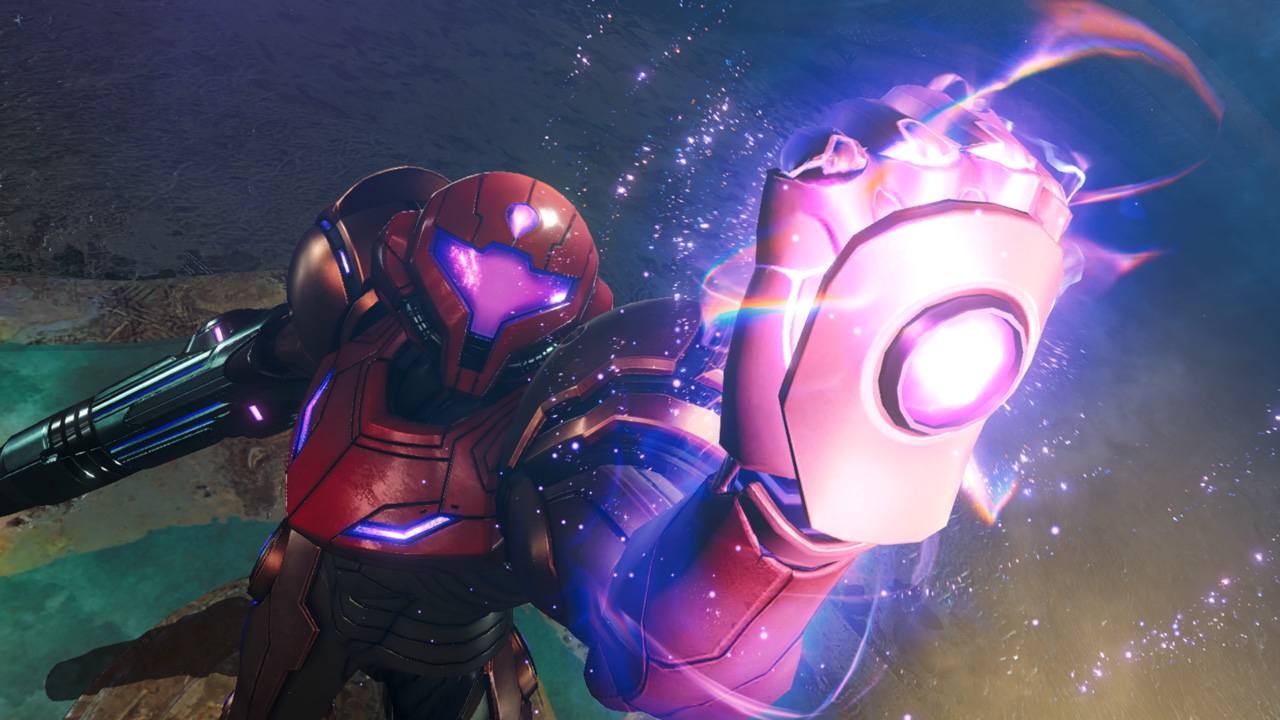
Okay, so. Nintendo threw Mario a 40th birthday party, and the guest of honor was not even the biggest news in the room. Friday's anniversary Direct packed in a new Mario Tennis, a new Yoshi, the title of the second Mario movie, a Donkey Kong expansion, a new Fire Emblem, and a Pokemon building game where you play as a Ditto. And then, right in the middle of all that, Nintendo finally put a date on the game its fans have been waiting on for the better part of a decade: Metroid Prime 4: Beyond lands December 4 on Switch and Switch 2.
That is the story of this Direct in one sentence. Nintendo did not just celebrate forty years of Mario. It turned the anniversary into a release calendar, and it used the biggest Mario stage it had to remind everyone that its other franchises are alive too. If you only watched the headlines, you saw a birthday. If you watched the whole show, you saw a company booking out the next year of its hardware.
The headline is Samus, not Mario
Metroid Prime 4: Beyond has had one of the longest roads of any Nintendo game in recent memory. It was announced in 2017, restarted under Retro Studios in 2019, and spent years as a logo and a promise. The Direct finally turned that promise into a product: Samus, stranded on the planet Viewros after an accident, scanning her surroundings for clues, using new psychic abilities, and crossing the world on a technologically advanced bike called the Vi-O-La.
That bike matters more than it looks. Metroid Prime has always been about lonely, deliberate exploration, and a bike is a statement about scale. Viewros is not a corridor. It is a place big enough to need wheels, and Nintendo is clearly pitching Beyond as the most open-ended Prime yet, with traversal as a core system rather than a way to get between rooms. The scanning stays, the isolation stays, but the map got bigger.
The surrounding details fill out the launch. The Nintendo Switch 2 Edition and the original Switch version both arrive December 4, so this is a cross-generation release rather than a Switch 2 exclusive. Two amiibo figures, Samus and Samus with the Vi-O-La, arrive November 6, and the villain Sylux gets his own amiibo on December 4, the same day as the game. Nintendo is treating this like a flagship launch, not a niche release for the faithful. After the wait this game has had, that confidence is itself news.
The rest of the birthday slate
Mario still got his party, and it was a big one. Here is the full slate that matters, in one place:
- Mario Tennis Fever, a new Mario Tennis for Switch 2, with new mechanics like sliding and diving, 30 equippable rackets that add Fever powers on top of each character's abilities, a story adventure mode, and ranked and casual online play.
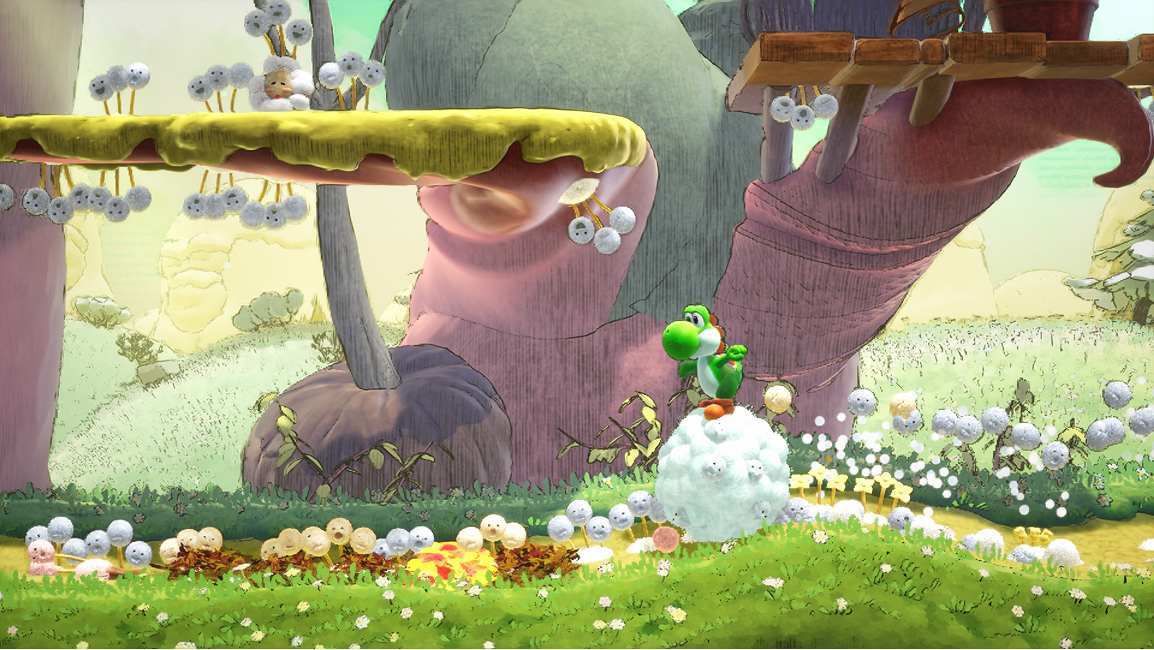
- Yoshi and the Mysterious Book, a new Yoshi game for Switch 2 built around a storybook world, with the soft, illustrated look the series does best.
- The Super Mario Galaxy Movie, the official title of the second Mario film from Nintendo and Illumination, following the 2023 movie.
- Super Mario Galaxy + Super Mario Galaxy 2, the two-game bundle, already out on Switch and Switch 2.
- DK Island and Emerald Rush, Donkey Kong Bananza DLC that sends Donkey Kong and Pauline to Donkey Kong's home island on emerald-collecting missions.
- Fire Emblem: Fortune's Weave, a brand new Fire Emblem entry.
- Pokemon Pokopia, where you play a Ditto transformed to look human, shaping an empty land into a home for Pokemon by gathering materials, building furniture, and growing vegetables. Digital pre-orders open November 12.
- Three Resident Evil games headed to Switch 2 next year, via Capcom.
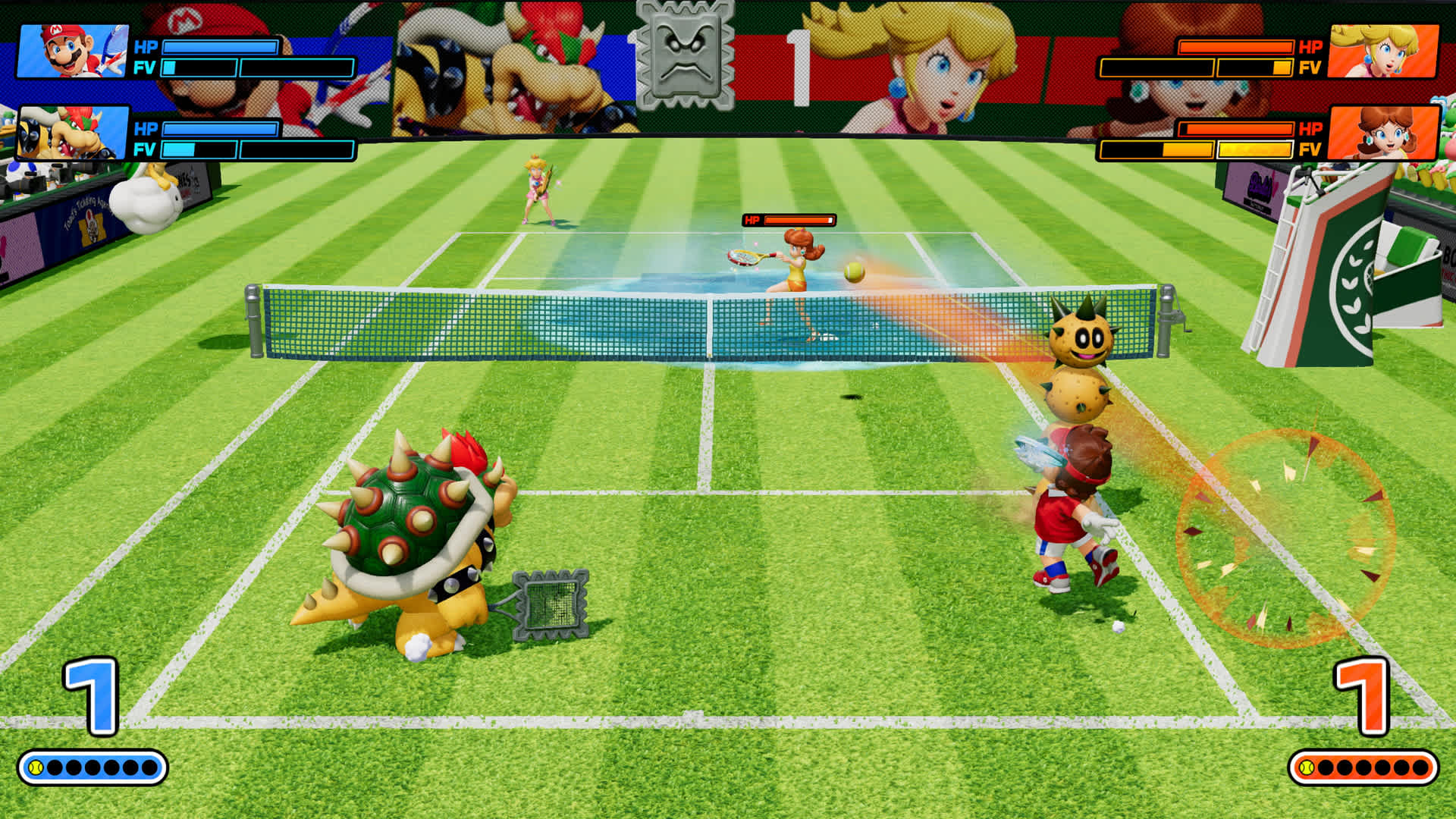
Read that list again and notice what it is not. It is not a nostalgia reel. Only the Galaxy bundle looks backward, and even that is a playable re-release rather than a museum piece. Everything else is forward: new games, new hardware showcases, a movie title, and a Pokemon game that is openly borrowing from the building genre. Nintendo celebrated forty years of Mario by showing what comes next, not by replaying what came before.
Why Nintendo staged it this way
There is a strategy hiding inside the birthday framing, and it is worth naming. Anniversaries give a company permission to be loud. Nintendo used that permission to do three jobs at once: give Switch 2 owners a reason to feel good about their purchase, give original Switch owners a reason not to feel abandoned, and give the press a single event to cover instead of a slow drip of announcements across the autumn.
The cross-generation Metroid date is the clearest example. Putting Beyond on both Switch and Switch 2 on the same day keeps the huge Switch install base in play while still giving Switch 2 a flagship December title. It is the same balancing act Nintendo has run all year: the new hardware needs exclusives to justify itself, but the old hardware still has tens of millions of players who buy games. A December 4 date on both machines threads that needle.
Pokopia is the other telling choice. A Ditto building a paradise for Pokemon is Nintendo letting a spin-off be weird, which is historically when Pokemon spin-offs are at their best. It also lands in the building and cozy genre that has swallowed a huge part of the market, and it does it with a Pokemon hook no competitor can copy. That is Nintendo playing to its own strengths instead of chasing someone else's trend.
What to watch before December 4
Three questions will decide how this Direct is remembered. First, performance: how does Beyond run on the original Switch next to the Switch 2 Edition, and does the older version feel like a real game or a compromise? Second, reviews: Metroid Prime is a critics' series with a devoted audience, and the first scores will tell us whether the long development produced something confident or something cautious. Third, the amiibo line: Nintendo's November 6 and December 4 figures will be an early read on how much demand is really there, because amiibo sellouts have a habit of predicting launch-week energy.
There is also a quieter question underneath all of it. Mario turned forty this year, and Nintendo's answer was not a museum, a concert, or a limited edition console. It was a slate. That tells you how this company sees its own history: not as something to preserve, but as something to keep building on. Forty years in, the birthday present is more games.
Images: Nintendo, via official Direct assets
Watch the video version: Samus Stole Mario's 40th Birthday Party | GameNow TV News, Oct 24