Ocarina of Time Remake: The Hall of Fallen Foes Is the Smartest Kind of New Content
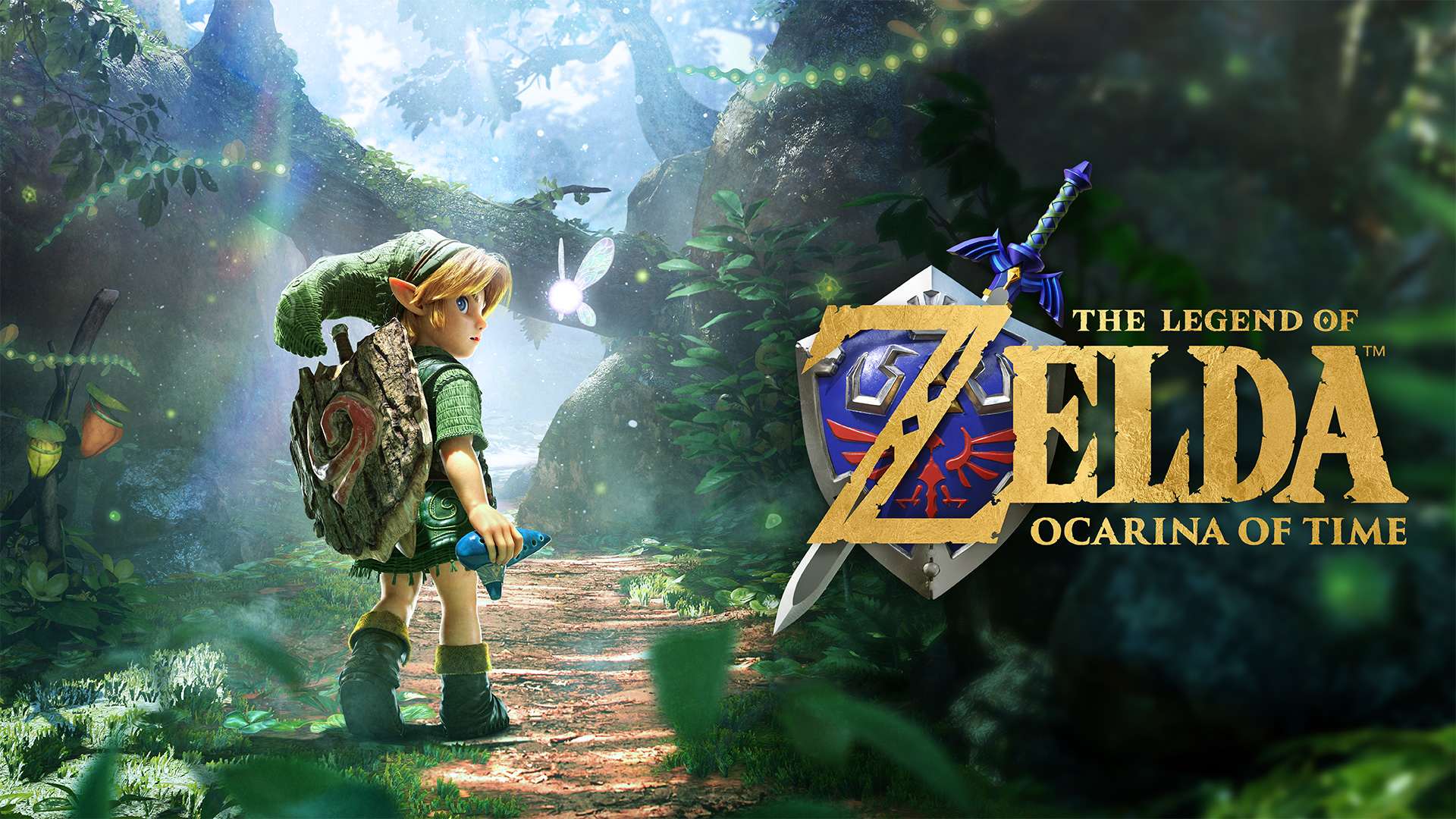
Here is the thing about remaking Ocarina of Time. The 1998 original is not just a beloved game, it is the game an entire generation measures adventure games against. You cannot just upscale it and call it a day. You have to answer a harder question: what do you add to a game people have already memorized without breaking what made it sacred?
On October 14, Nintendo gave its clearest answer yet. A new overview trailer, roughly five minutes long, walked through the Switch 2 remake ahead of its November 5 launch and revealed a brand new feature: a hall where statues of defeated enemies wait, and where bosses can be fought again. That one addition tells you almost everything about Nintendo's approach here. This is not the fan animation we spotlighted on October 1. This is Nintendo's own rebuild, and it is adding new rooms to a house everyone already knows.
What the trailer showed
The overview trailer covers the full package: overhauled visuals, fully voiced cutscenes with expanded dialogue, and a symphonic orchestral soundtrack, all built from the ground up for Switch 2. The game launches November 5, exclusively on Switch 2, with pre-orders already available. Nintendo's own news post calls it completely reborn, and from the footage, that word is doing real work. This is not a texture pack. It is a rebuild.
But the headline is not the graphics. It is the new stuff, and there is more of it than a remake usually gets.
The Hall of Fallen Foes
The new area is a museum-like space somewhere in the game world where statues of monsters Link has already beaten stand on display. Walk up to one and you get a description of the creature and where you found it. For bosses, the statues do more: they let you fight the boss again.
One naming wrinkle is worth flagging. Nintendo's own US news post calls the area the Hall of Fallen Heroes. English-language coverage of the trailer has called it the Hall of Fallen Foes. Same room, two names, and the Foes name is the one that makes sense for a hall full of monster statues. We are going with Hall of Fallen Foes until Nintendo settles it, and we will update if the official name firms up.
Rematches run as time attacks and can be replayed at any time, according to Notebookcheck's reading of the Japanese announcement. The trailer shows a King Dodongo rematch as the example, complete with a timer. That detail matters, because it turns the hall into more than a trophy room. It becomes a practice space, a speedrun tool, and a reason to revisit fights you loved without replaying the whole game.
This is also not a new idea out of nowhere. Ocarina of Time 3D, the 2011 remake, had its own boss challenge mode. The Hall of Fallen Foes is that idea grown up: a permanent, in-world home for it, with a bestiary attached. That is the smartest kind of new content for a remake. It does not rewrite the story. It gives veterans a new reason to be in the world and newcomers a way to study it.
The ocarina you can actually play
Then there is the feature that sounds like a gimmick until you think about it for ten seconds. In this remake, you can hum a melody Link has learned into the Switch 2's built-in microphone, or play it on a real instrument, and Link's ocarina responds in the game. Nintendo also notes the game recognizes music from a purchasable ocarina. The microphone input is optional, not required, which is the right call. Nobody wants a required humming check at 1 a.m.
Why does this work? Because the ocarina was never just an item in the original. It was the game's emotional core. Songs were how you traveled, how you changed time, how you connected with the world. Letting players perform those songs with their own voice closes a loop that has been open since 1998. It is a small feature with a huge nostalgia payload, and it is exactly the kind of thing a remake should try.
Controls finally catch up
The less glamorous changes might matter more day to day. The remake adds traditional camera controls on the right stick, new motion controls, a proper jump button, and a roll dash action. Items can be equipped to the ZR button and swapped through a pop-up quick-select menu. Combat still uses the original lock-on targeting, which is the right thing to preserve. The Z-targeting system was the original's great invention, and changing it would be change for its own sake.
Two more quality-of-life additions deserve attention. A new Threads of Time menu tracks story progress and identifies your next objective, filling in a tapestry as you hit milestones. And time now passes in towns, with Hyrule Castle Town explorable freely instead of through fixed camera angles. Nintendo has kept loading transitions between some areas to preserve the original's structure, which tells you the philosophy: modernize the friction, keep the shape.
There is also a small collectible from the Japanese announcement worth watching. Nintendo Japan describes messages called a fairy's thoughts, hidden across Hyrule, which Navi can read to you. An English name has not been confirmed yet, so treat that one as reported, not settled.
Zelda Notes and the second screen
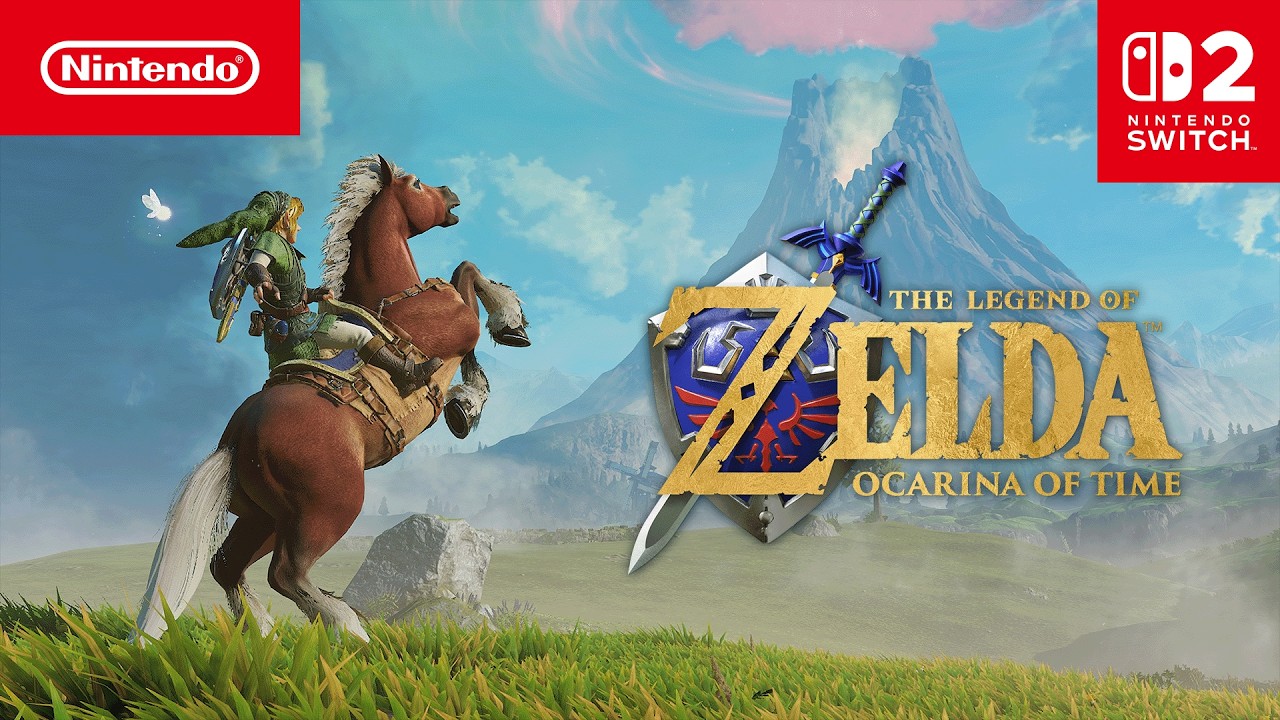
The remake also supports Zelda Notes, the game-specific service inside the Nintendo Switch App on smart devices, previously used for the Switch 2 versions of Breath of the Wild and Tears of the Kingdom. The feature list is long: a map of Hyrule, gossip quests that work as a scavenger hunt for points exchangeable for ocarina music scores, Today's Record recapping your session, My Play Data and Global Play Data, a Photo Studio, Threads of Time tracking, amiibo support, a Play Ocarina function, and a quiz with over 2,000 questions. Rupees earned in the app can be used in game, and vice versa.
Honest assessment: this is a nice companion, not a selling point. The map on your phone while you play is genuinely useful, and the quiz is a fun rabbit hole. But Zelda Notes requires a Nintendo Account, persistent internet, and a compatible smart device, and none of that should be mistaken for the game itself. The remake stands or falls on Hyrule, not on the app.
What this remake is really selling
Step back and the strategy is clear. Nintendo is not selling nostalgia alone. It is selling two games at once: the exact adventure veterans remember, and a modernized version that a Breath of the Wild generation can play without fighting 1998 controls. The Hall of Fallen Foes serves the veterans. Threads of Time serves the newcomers. The voiced cutscenes and orchestral music serve everyone.
And the timing is deliberate. The game arrives November 5, in the middle of the Zelda 40th anniversary year. The 40th Anniversary Switch 2 console and matching Pro Controller arrive October 29. Two new amiibo figures, Young Link and Young Zelda, ship in 2027 and unlock in-game masks with a retro graphical style, while existing Zelda amiibo give useful rewards. Nintendo Life lists the physical edition at $69.99 and the eShop version at $59.99. Best Buy is running a midnight launch at select US stores. This is a full anniversary push, and Ocarina is its centerpiece.
What to watch
- Whether the Hall of Fallen Foes gets its official name settled. Heroes or Foes, the feature is real. The name is the only open question.
- How the microphone ocarina actually feels. Trailers make it look magical. Living room reality, with background noise and imperfect humming, is the real test.
- Performance and polish at launch. Nintendo has not detailed resolution or frame rate targets. The remake's reputation will be set in its first week.
- The Water Temple. Every Ocarina conversation ends here. The most infamous dungeon in gaming history, rebuilt with modern controls and a jump button. If Nintendo gets that right, the remake is a triumph.
So, the rating. Announcements like this one get an 8.5 out of 10 from me, with the remaining 1.5 held in reserve until I see the Water Temple with my own eyes. Nintendo showed restraint where it mattered and ambition where it counted. November 5 is three weeks away. Hyrule is waiting.
Images: official Ocarina of Time remake key art and overview trailer art, Nintendo.