Peak Climbed to Consoles With 208 Maps and One Very Honest Patch Note
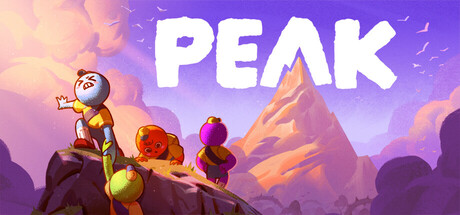
Peak is now on consoles, and I love this story for a very specific reason: the most interesting part is not the launch itself. It is the patch note that came with it. Peak arrived on PlayStation 5, Xbox Series X|S, and Nintendo Switch 2 on October 22, with full crossplay across all platforms, every content update from the PC version, and a 10GB update that tripled the Steam install to about 15GB. And instead of letting players panic about the file size, the developers just explained it, in plain language, on camera: the game now has 208 maps in rotation instead of 30, so it never needs another map patch again.
That is the whole game in one anecdote, honestly. A small team, a silly premise, and a habit of telling players exactly what is going on. Peak did not become one of the biggest indie hits of 2025 by pretending to be bigger than it is. It did it by being exactly what it is, and then being honest about the plumbing.
A jam game that refused to stay small
If you missed Peak the first time around, here is the pitch in one breath: you and up to three friends play lost nature scouts stranded on an island, and your only way out is up. Each day brings a new procedurally generated mountain to climb, across biomes like the Shore, the Tropics, the Alpine, the Caldera, and the volcanic Kiln. You manage stamina, hunger, and injuries. You share ropes, food, and bad decisions. You can physically kick your friends in custom runs. Proximity chat does the rest, which is why half the game is listening to a friend's voice fade into the distance as they tumble past you.
The origin story is almost as good as the game. Peak started as a one-month game jam in Seoul in February 2025, built by developers from Aggro Crab, the Seattle studio behind Another Crab's Treasure, and Landfall, the Stockholm studio behind Totally Accurate Battle Simulator and Content Warning. The two teams worked under the shared banner Team Peak, shipped the PC version on Steam on June 16, 2025, and watched it sell more than 10 million copies. That is not a typo, and it is not a rounding trick. A month-long jam game became a 10 million seller, with an Overwhelmingly Positive Steam reception to match.
The console versions, listed on the PlayStation Store as Peak: Console Edition, include everything the PC game has gained since launch: new biomes, new items, and the Final Ascent update, which added an alternate ending for players who collect four gems across their climbs. If you are coming in fresh on a console, you are not getting a cut-down port. You are getting the whole mountain, plus the year of updates that came after it.
The 208 map trick is the real story
Here is the part I keep thinking about. On PC, Peak's daily mountain worked like this: every couple of weeks, the developers shipped a patch containing roughly 30 new maps, and the daily rotation drew from those. That is fine when your team is actively shipping. It is a treadmill the moment you want to stop.
The console update fixes the treadmill by removing it. Team Peak bundled 208 maps into one permanent rotating pool, so the game can keep dealing out fresh mountains forever without another map patch. That is why the update was 10GB, and why the Steam install jumped to about 15GB. It is not bloat. It is the developers buying their own game a future, in advance, while they still have the team together to do it.
That framing matters because of what Landfall has said about Peak's future. In its official FAQ, the studio says Peak was never meant to be a live service game, that the Citadel and Gloom biomes from August were its final major update, and that the team wants to return to its own separate projects. The game is not going anywhere, and bug fixes and maintenance will continue until the team is satisfied with stability. But the content tap is closing, by design. The 208 map pool is how a finished game stays fresh after its makers move on. That is genuinely clever, and it is the opposite of the usual live service promise, where a game stays alive by never being allowed to end.
The honest fine print
Now the part that actually affects your weekend, because Peak's launch honesty extends to the caveats too. Read these before you buy, not after:
- Crossplay works everywhere, but it is friends only. There is no matchmaking with strangers. You invite up to three friends, on any platform, and climb together. Crossplay is what makes that possible for a group split across a PS5, an Xbox, and a Switch 2.
- Progress does not transfer. Steam saves, badges, cosmetics, and Final Ascent gem unlocks stay on Steam. Landfall's FAQ says it plainly: you will just have to earn those badges again, or act as a guide for your new console friends.
- Mods stay on PC. Steam Workshop mods do not work with console players, because crossplay runs on the unmodded build. A modded Steam lobby cannot take console players with it.
- Online play needs a subscription on consoles. Solo offline play does not, but climbing with friends online requires the platform subscription on Xbox, Switch, and PlayStation.
- Launch bugs are disclosed, not hidden. A Steam lobby bug that put players in different regions was patched on October 23. A Switch 2 bug that clips players through the floor on high jumps is being fixed, along with reported frame rate drops on Xbox. PlayStation regional pricing, including prices set too high in Brazil, is being adjusted, and Team Peak asked players in affected regions to wait a few days before buying.
That last one is my favorite detail of the whole launch, and not just because it is funny. A studio telling part of its audience to wait before giving it money is the kind of thing that only makes sense if you plan to still be trusted next year. Peak's developers have spent sixteen months earning that trust in public, one patch note at a time. The Brazil pricing note is just the latest receipt.
Why this port matters beyond Peak
There is a bigger indie story underneath the climbing. Peak proves that a small game can ship on every platform at once, with crossplay on day one, without a publisher the size of a small country behind it. Aggro Crab and Landfall did it as two independent studios that met at a developer conference in 2022 and built a prototype in a rented apartment in Seoul. The console launch is the same spirit at a bigger scale: all three consoles on the same day, October 22, no staggered rollout, no platform left waiting for a later window.
It also proves something about endings. The games industry spends most of its energy on games that never end, and Peak is quietly arguing the other way: make a complete thing, support it honestly, future proof it with a map pool that outlasts your attention, and then go make something else. If that model works at 10 million copies, other indie teams will notice. A physical PS5 edition follows on December 9 at $19.99, complete with a Buddy Code that lets you pass a free digital copy to a friend, which is exactly the kind of idea this game would have.
Images: Aggro Crab and Landfall, via official Steam store assets