SAG-AFTRA Just Gave Unfunded Games a Way to Hire Real Actors for Their Pitches
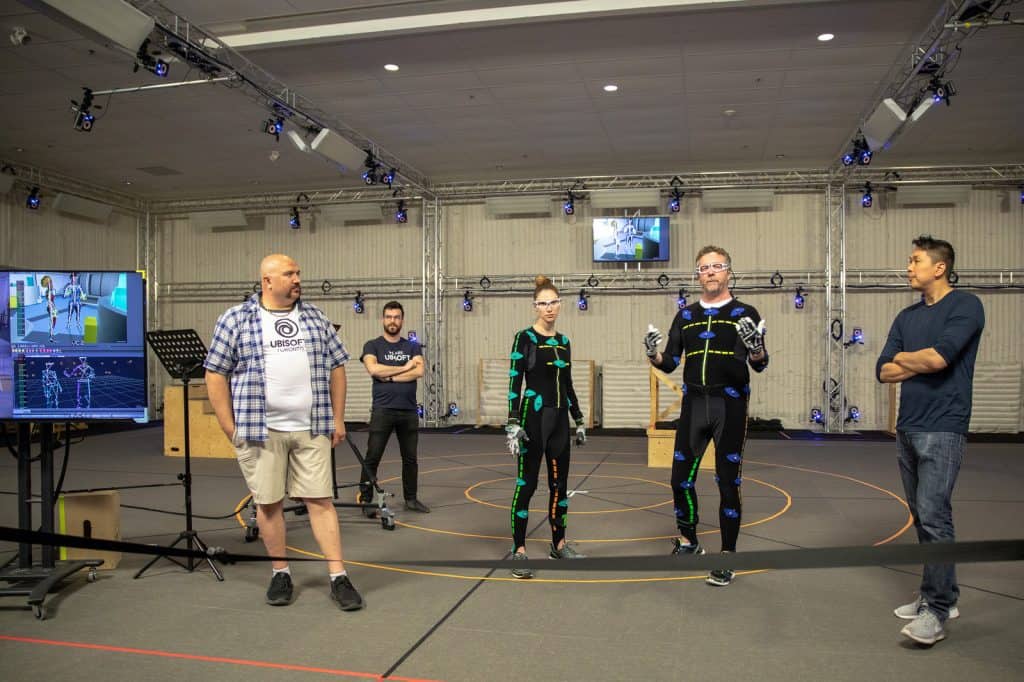
The hardest part of making a game is not making the game. It is convincing someone to pay for the game. On November 5, SAG-AFTRA introduced an agreement built for exactly that moment: the Pre-Funding Pitch Interactive Media Agreement, which lets developers hire professional union voice and motion performers for pitch material before a project has its funding secured.
Okay, I know. A union contract announcement is not the kind of thing that usually gets a blog post with a hero image. But stay with me, because this one quietly changes who gets to make a good first impression in this industry, and that is worth understanding properly.
What developers can actually hire actors for
The agreement covers the material developers build to win funding: demos, vertical slices, trailers, teasers, sizzle reels, and playable prototypes. The key phrase in the announcement is "for the exclusive purpose of soliciting production funding for prospective projects." In plain language, this is the stuff you show a publisher behind closed doors to prove your game is real, not the stuff you ship.
Until now, that work sat in an awkward gap. A team with a great idea and no money could not easily hire union performers, because the standard interactive agreements assumed a funded production. So pitches were made with placeholder voices, or with non union talent, or with no performance at all, and the pitch suffered for it. SAG-AFTRA president Sean Astin put it directly: bringing professional voice and motion talent in earlier lets developers "create a higher quality product, with the goal of capturing both imaginations and funding."
That framing matters. This is not charity, and it is not a discount program. It is the union betting that a better pitch gets more games funded, and more funded games means more union work later.
The fine print: the 30 percent rule and the other limits
The agreement is narrow on purpose, and the limits are where the real story is. A project qualifies only if it meets every condition:
- The 30 percent funding cap. No more than 30 percent of the initial production funding can already be secured when recording takes place. If funding rises above that line later, the broader interactive terms kick in at the relevant budget tier, including minimum session fees and secondary payments.
- It must not look finished. The material cannot provide "the experience or impression of a complete interactive project." A vertical slice that feels like a shipped game is not a pitch anymore.
- No public release, no public play. The pitch material cannot be commercially released or made available for public viewing or gameplay. This stays behind closed doors.
- No crowdfunding. Projects released through a crowdfunding campaign cannot use the agreement, though producers can discuss waiver terms with the union.
- Waivers exist. Projects that meet some but not all of the criteria can ask the union for a waiver through [email protected].
- Paperwork first. The executed agreement must reach SAG-AFTRA no later than two weeks before recording.
Two details deserve attention. Session fees can be negotiated freely, with no minimum employment terms set by the agreement, but health and retirement contributions still apply. And work done by a nonmember under this agreement does not count toward SAG-AFTRA membership eligibility. The union is opening a door, not lowering the floor, and the distinction is deliberate.
Why now: the funding squeeze
This agreement lands in a market where developers keep saying the same thing: securing funding is brutally hard. A pitch meeting is a competition, and the teams competing are not just other indies. They are every studio with a polished vertical slice and a recognizable name attached. A real actor delivering a real performance in a playable slice changes what a publisher sees in the room. It turns a concept into something that feels inevitable.
SAG-AFTRA's chief executive, Duncan Crabtree-Ireland, framed it as giving developers "that extra edge to get the backing they need in an extremely competitive industry." The union's hope, as Video Games Chronicle reported, is that having an actor already cast before a game is even announced will get more eyes on the project. There is a second hope underneath it: that developers work with union talent from the start, rather than going non union for the pitch and only engaging the union once the money is in.
That second hope is the strategic core of this. If the first performance a publisher hears is a union performance, the union is in the room from day one. That is leverage the union did not have before, and it costs the union very little to offer, because the pitch work was largely happening outside its agreements anyway.
The backstory: a strike that changed the rules
None of this makes sense without the last two years. SAG-AFTRA represents about 160,000 performers, and its video game members went on strike in July 2024 over generative AI protections. The strike ran 11 months, into the summer of 2025, and it disrupted development on several games. Members could not work with studios that had not reached an agreement, and actors were even prevented from promoting games they had already appeared in.
The strike ended with a new Interactive Media Agreement that earned key protections around AI performances. This pitch agreement is the next step in that same arc: having fought to protect performers from being replaced by synthetic voices, the union is now finding ways to get real performers into rooms earlier, when the creative decisions are still being made.
That is a genuinely interesting shift in posture. The 2024 strike was defensive, a wall against AI. This agreement is offensive, in the good sense: it uses the union's talent pool as a selling point for unfunded developers. The message to a small studio is no longer only "you must follow our rules." It is also "our actors can help you get funded."
What to watch
A few things will decide whether this matters in practice. First, the rates. No pay rates have been published, and session fees are negotiable, which means the actual cost to a broke indie team is still unknown. Developers should request the terms directly from SAG-AFTRA before planning around them. Second, the crowdfunding exclusion. A meaningful share of independent games raise their first money on Kickstarter, and those teams are explicitly out unless they get a waiver. That is a real gap, and the waiver process will tell us how flexible the union intends to be.
Third, the enforcement question. The agreement depends on pitch material staying private and unfinished, which is easy to promise and harder to police. If a "pitch" vertical slice leaks onto YouTube, or a teaser built under this agreement starts looking like a marketing asset, the union will have to decide what it actually does about it.
But seriously, look at the shape of it. The union that spent 11 months on strike over AI is now offering its actors to the smallest, poorest teams in the industry, at the moment when those teams need them most, and asking for nothing more than the contributions and the rules that already exist. That is a smart move, and it is a kind one, and those two things do not usually arrive in the same press release.
If it works, expect to hear about games that got funded because their pitch had a real voice in it. If it gets abused, expect SAG-AFTRA to hear about it fast. Either way, the next time a small team walks into a pitch meeting, the performance in the room might be the thing that gets the game made. And that is a better industry than the one where the pitch had no voice at all.
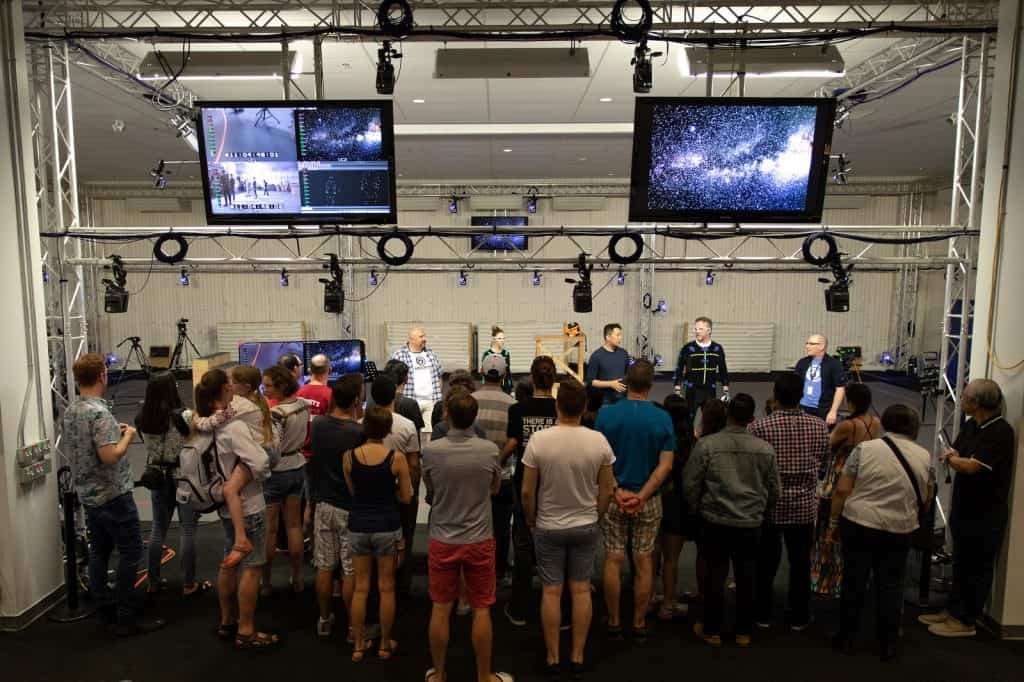
Images: Ubisoft Toronto, performance capture studio photos.
More from GameNow TV: GameNow TV on YouTube.