8,011 Demos Walked Into a Festival, and Nobody Could Find the Good Ones
Okay, I have a confession to start with. I love Next Fest. Free demos, weird ideas, a week where trying something costs nothing but download time. That is my favorite kind of chaos. But this October's festival, which closes today at 1 PM Eastern, turned into a different kind of chaos. Not the fun kind. The kind where you open a catalog of 8,011 demos and realize the problem is no longer finding something to play. The problem is finding anything at all underneath the pile.
That number needs a footnote before we go any further, because it kept moving. The 8,011 figure comes from the festival's press preview page, a match count, not a hand curated lineup. One report notes the live page later showed 7,161. Demos appear, disappear, and change visibility as developers update their pages. Valve itself describes the selection simply as thousands. So do not treat 8,011 as a precise census. Treat it as a scale warning. Roughly double June's festival, and an enormous jump from the just over 1,000 demos of June 2022. The curve bent sharply upward in a single cycle, and everyone browsing felt it.
The debate is not really about a number
Scroll through the launch week discussion and you will see the phrase that dominated it: AI slop. Players complained that low effort, AI assisted games were making good demos harder to find. Others pushed back, and that pushback is important. Asset flips and weak games filled digital stores long before generative AI became common. A strange hand in a piece of art, a glossy portrait, or a generic store image may raise suspicion, but it does not prove how a game was made.
That distinction is the whole debate in miniature. Players are not just asking Valve to ban something. Mostly, they are asking for a way to choose. Reports describe repeated requests for an AI filter, or a store preference to hide generative AI content, similar to the existing mature content setting. Valve has required AI disclosure since 2024, but players still have no way to filter on that disclosure. One report puts the share of this batch's demos carrying a generative AI disclosure at at least a fifth, with real usage potentially higher. Another analysis puts AI assisted games at about a quarter of the playable field, and about one tenth of the top 10.
Here is where I get a little deadpan about it, because the nerd in me insists on the caveat. A disclosure covers everything from AI generated art to an AI assisted translation. Not every disclosed game is low effort. And plenty of low effort games never disclose anything. The disclosure rate is a floor, not a slop meter. It tells you the minimum, not the truth. If you treat every disclosed game as junk, you will miss good work. If you treat disclosure as meaningless, you will drown in the junk anyway. Both mistakes are easy. The festival made both mistakes feel inevitable.
Why one studio walked away
The flood has a second side effect, and it is sadder than a messy browse page. Developers are getting nervous about showing anything at all. Alliance Arts Inc. cancelled the planned public demo for Drunken Goddess Reflux, a Russian roulette drinking survival game, and replaced it with closed play sessions for people who agree to participation requirements. The stated reason was blunt: the studio feared works imitating the demo's presentation and gameplay could be produced with AI tools and released before the game itself.
That fear is not abstract. One report cites the case of Escape the Walls, an incremental punching game, where clones appeared on Roblox within days of in progress footage being posted, with at least seven clones counted by October 19. Another analysis cites Needle In A Haystack Simulator picking up at least eight lookalikes within days of a viral clip, and the developer of Family Time filing a takedown against a same named copy before release. Cloning is not new, but the speed is. When a copy can be turned around in hours, showing your work in public starts to feel like handing out the recipe before you have opened the restaurant.
But hiding has a cost too, and this is the part that should make developers pause before following that example. The same analysis that documented the clone cases also points out that two out of three games released on Steam in 2025 earned under 1,000 dollars, and most of them were never cloned. They were simply never seen. A closed play session, like the one Drunken Goddess Reflux chose, is a reasonable middle ground. Skipping the festival entirely is not. Obscurity is still the more common killer, even in a festival full of clones.
What actually rose to the top
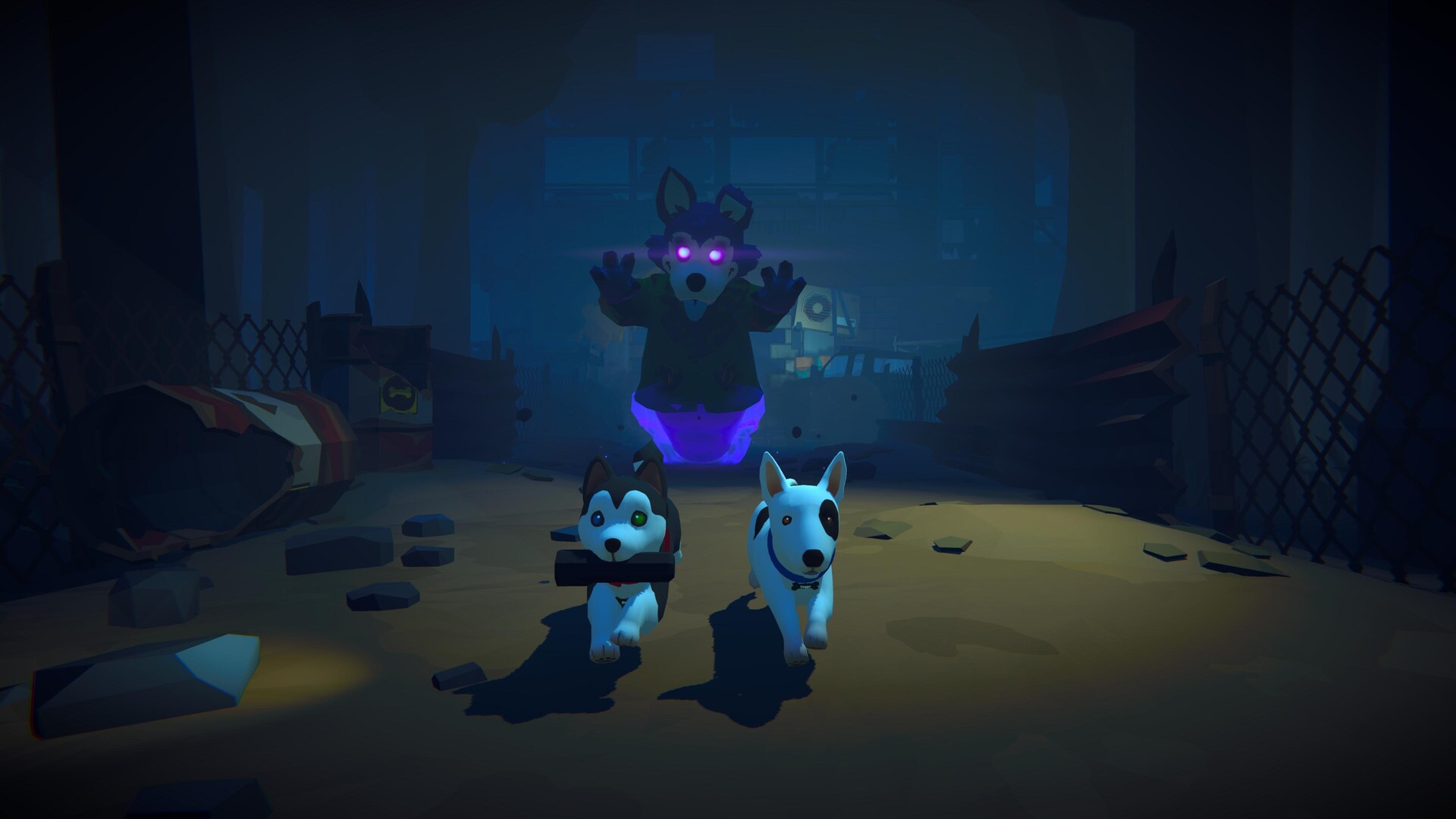
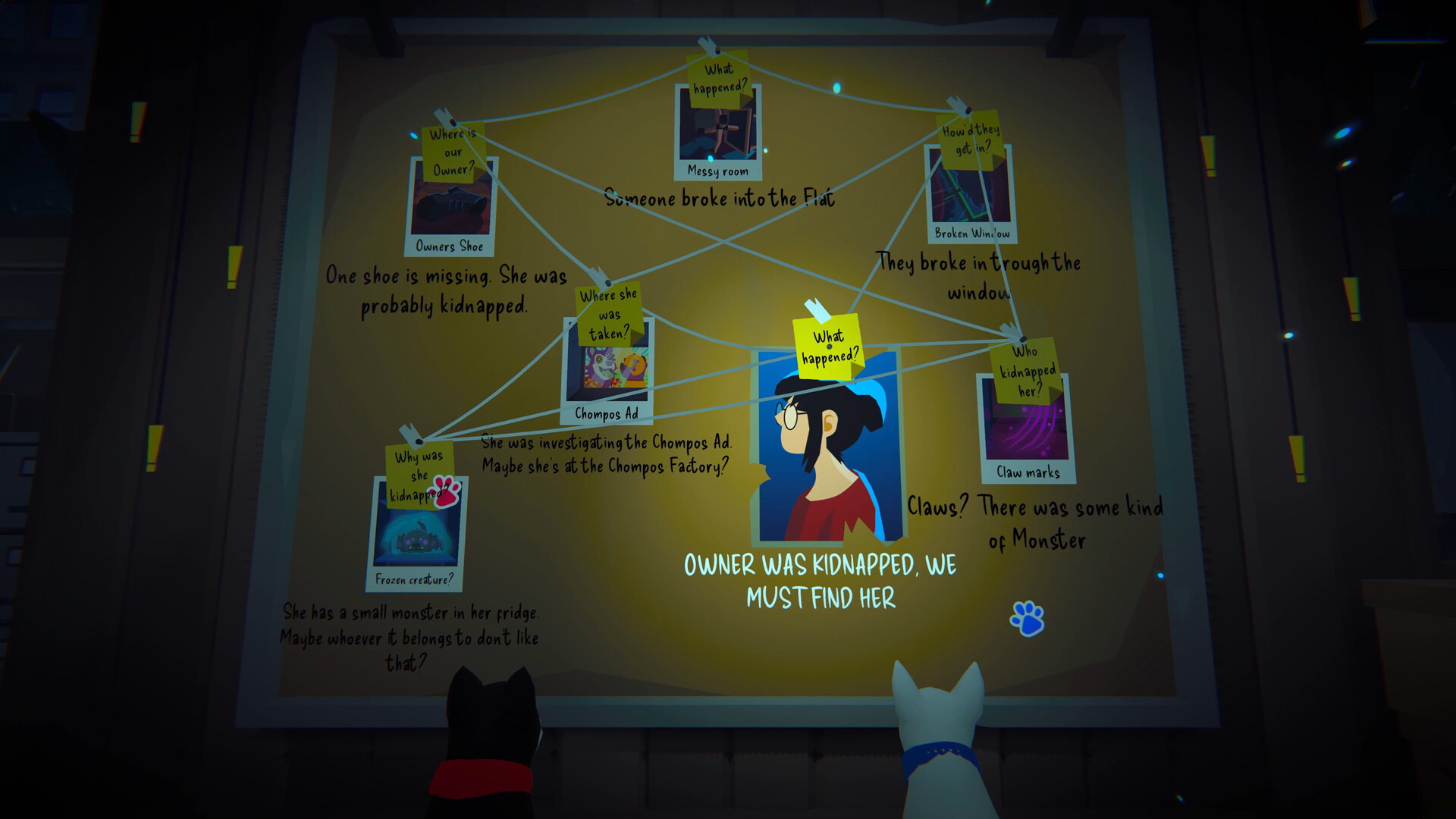
And yet, and this is the part I keep coming back to, the good demos did break through. The most played names from this festival, including Haunted Paws, Emberville, Wyldheart, and Frostrail, are not mysteries. They share a pattern that one analysis states plainly: a distinct idea, a clear trailer, and a demo that respects the first five minutes. Players are not avoiding disclosed games because of a label nobody can see, buried near the bottom of a store page. They are gravitating toward games that look like someone had a specific idea and knew how to show it quickly.
That is oddly reassuring. It means taste still works, even in a flood. It also means the festival's real problem is not that players cannot recognize quality. It is that recognizing quality now requires wading through thousands of entries to find the handful that earn attention. Curation used to be Valve's festival promise, in a loose sense: here is a manageable selection of interesting upcoming games. At 8,000 entries, that promise collapses. What remains is a search engine with a party banner on top, and search engines reward the games that already know how to market themselves.
So what would actually fix this? Not a ban, and not a scolding post about AI. The requests coming from players are strikingly modest: a filter, clearer warnings, and filters players have been asking for since June, according to one analysis. Let people hide what they do not want to see, the way they already can for mature content. Let disclosure be visible and sortable, not a footnote. And let developers who use AI tools for translation or small tasks say so without being lumped in with the lowest effort output. None of that is dramatic. All of it would make the next festival easier to browse than this one.
The lesson for the next festival
Here is my take, and I will try to land it without being too earnest about it. Next Fest is still a good idea. A week of free demos for upcoming games, with developer livestreams and genre browsing, is genuinely one of the best things on Steam. But a festival that doubles in size every cycle cannot keep running on the same browsing tools and expect the same result. At some point, quantity becomes a discoverability problem, and a discoverability problem becomes a trust problem. Players stop browsing, developers stop showing up, and the festival slowly becomes a place where only the already famous get found.
That is not inevitable. The fix is boring, practical, and overdue: better filters, clearer disclosure, and curation that does more than count matches. Until then, the advice for players is the same advice that worked this week. Follow the distinct ideas, watch the first five minutes of a demo before committing, and wishlist the games that respect your time. And for developers, the advice is harder but truer: do not hide from the flood. Make something specific enough to be found inside it. The flood is not going away. The next festival will probably be even bigger. The question is whether anyone will be able to find you in it.
Images: Mob Entertainment, official Haunted Paws screenshots via Steam.